It needed sixty votes to move forward. It got forty-nine. Every name is on the public record, and every one of them can be reached before November.
No spin necessary. This is the Senate's own account of it, and you can pull the roll call yourself in about ten seconds.
A cloture vote is the vote that decides whether a bill can even be debated. Blocking it kills the bill without anyone having to vote against it on the merits. That is what happened here, and it is why the roll call matters. Read the official roll call.
Forty-four Democrats, two independents and four Republicans voted to block it. Sorted alphabetically, because none of them deserve top billing.
Pick your state. We will show you how both of your senators voted, write the message for you, and hand you their office's own contact form and phone number. Edit the message if you like. Your own words always land harder.
Ed Markey has held this seat since 2013. On September 15 he voted to block the CLARITY Act, alongside forty-nine of his colleagues. He has never had to answer for what that costs the millions of Americans who own digital assets.
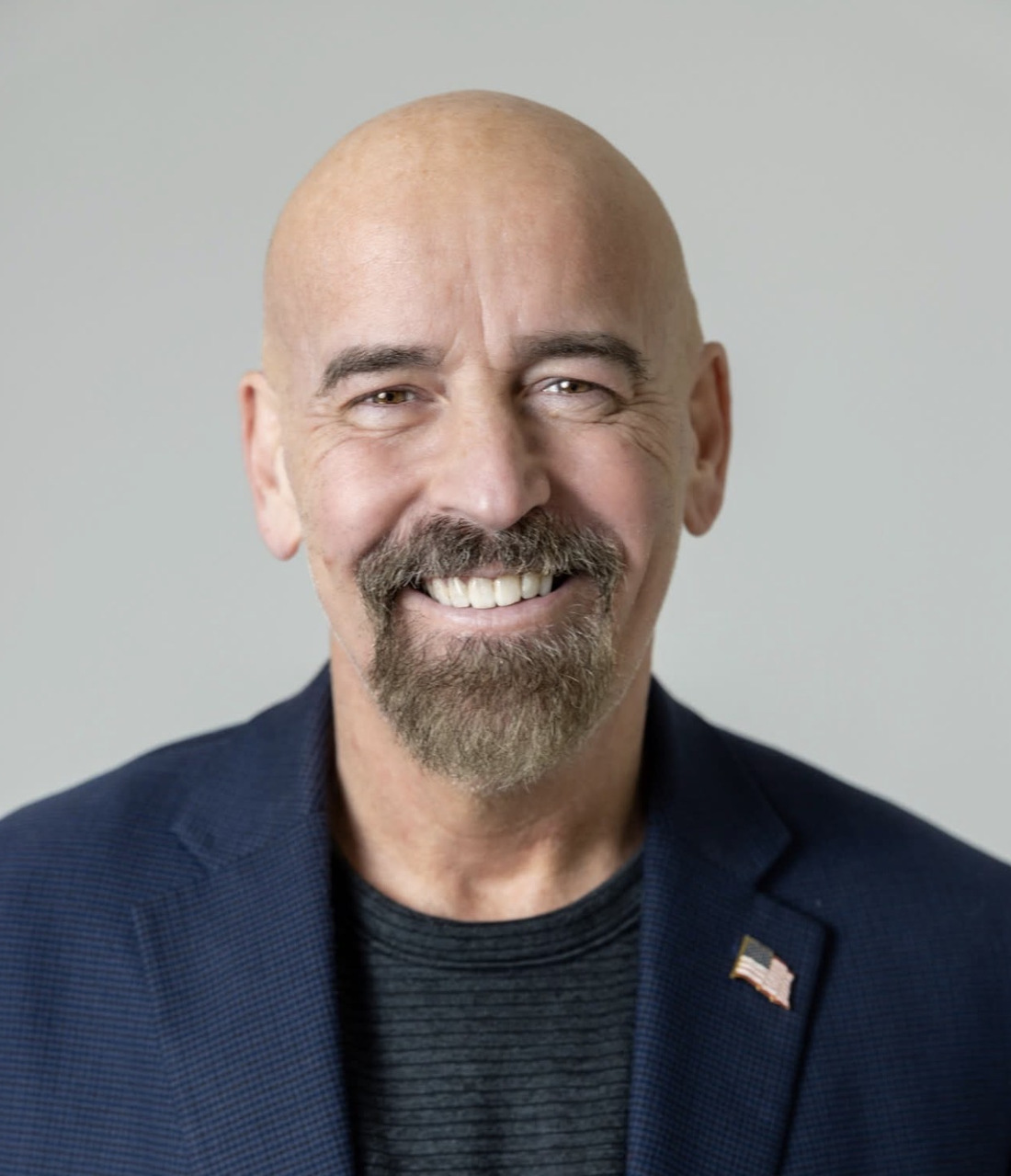
John Deaton is a Marine, a trial lawyer, and the attorney who stood up for tens of thousands of ordinary crypto holders when the SEC came after them. Not the exchanges, not the funds. The individuals. He did it before it was politically useful to anyone.
He is running as a common sense candidate: rules written by Congress instead of enforcement actions invented by agencies, a government that does not pick winners, and a Senate that understands the technology it is regulating.
If he wins, the Senate gets its first true crypto advocate, someone who has actually litigated these questions rather than reading a briefing on them the week of a vote.
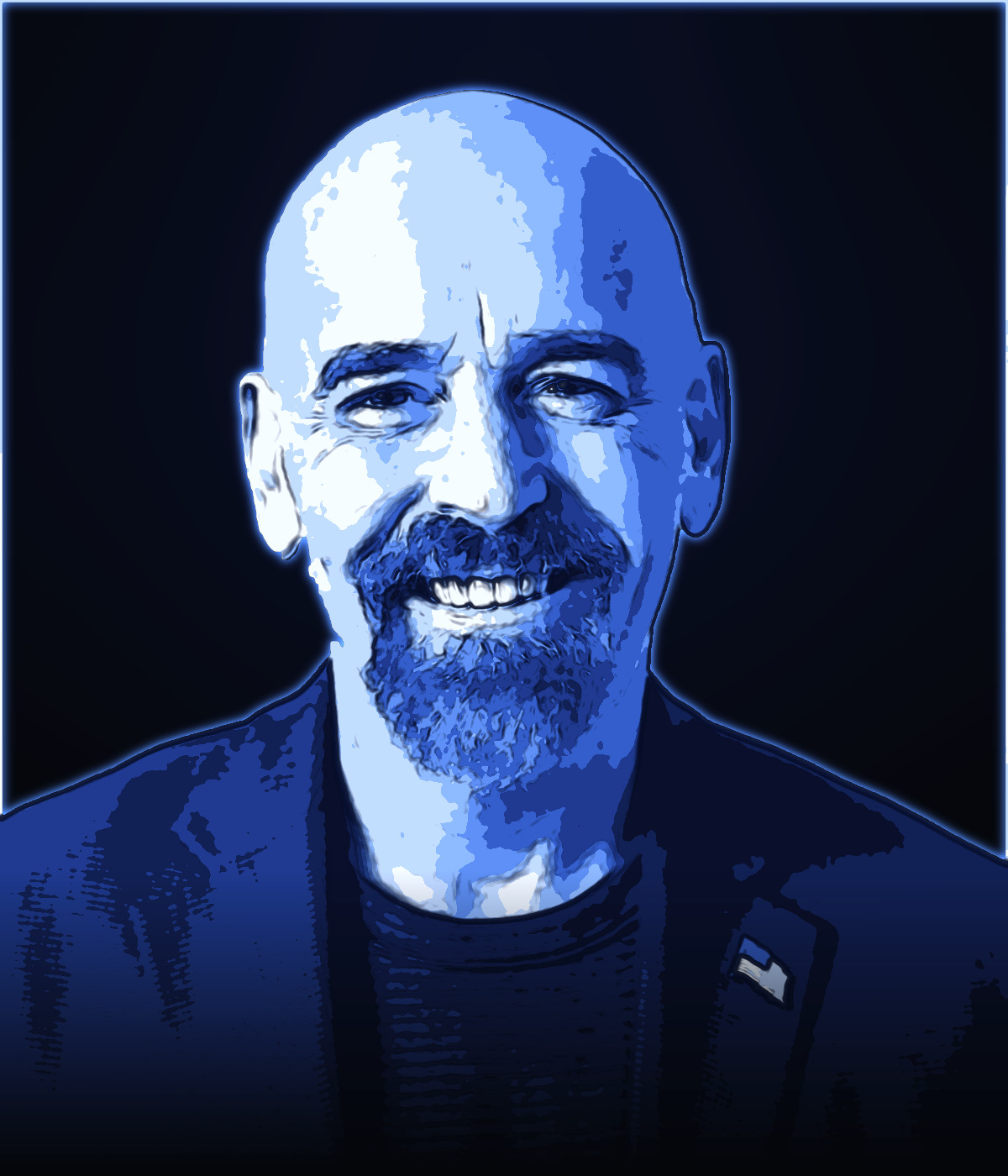
John Deaton has spent his career fighting this fight in courtrooms. Funding it is the difference between a campaign that reaches voters and one that does not.
Every amount below says what it actually pays for. Pick one and it carries through to checkout.
Enough to run the vote record as a video ad against a full day of targeting.
Contributions are not tax deductible. Federal law requires us to collect your name, address, occupation and employer.